NELFUND Student Loan 2026/2027
The NELFUND Student Loan 2026/2027 is expected to remain an important source of financial support for Nigerian students who need help meeting the cost of higher education.
The Nigerian Education Loan Fund, NELFUND, administers the Federal Government’s student loan programme under the Students Loans framework. The scheme provides interest-free loans that can be used for approved institutional charges and, where applicable, student upkeep. NELFUND’s official website says the programme is intended to help eligible Nigerian students access higher education without financial barriers.
Students planning to apply for the 2026/2027 academic session should understand the eligibility conditions, verification process, required information and repayment rules before submitting an application.
Is the NELFUND Loan for 2026/2027 Open?
At the time of writing, NELFUND has not published a confirmed opening and closing date specifically for the 2026/2027 academic session.
This is important because some websites may publish estimated dates based on previous application cycles. Such dates should not be treated as official until NELFUND announces them.
The official NELFUND website currently provides access to the student loan platform, where students can register and access loan-related services.
Students should therefore watch the official NELFUND platform and announcements for the specific 2026/2027 application window.
What Is the NELFUND Student Loan?
NELFUND is the government agency responsible for administering Nigeria’s student loan programme.
The current NELFUND system provides zero-interest loans to eligible Nigerian students for approved educational costs. According to NELFUND, the loan can cover institutional charges, while an upkeep component may be paid into the student’s bank account after successful verification.
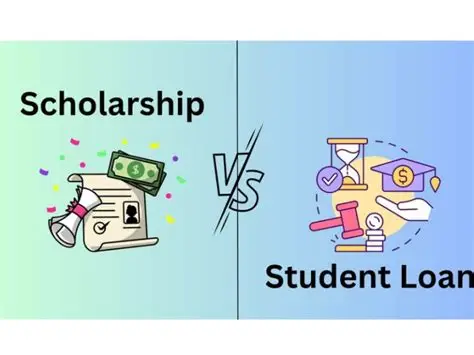
This means the programme is a loan, not a scholarship or grant. Students who receive the money are expected to repay it according to the applicable repayment conditions.
Who Is Eligible for NELFUND Student Loan 2026/2027?
The basic eligibility requirement is that the applicant must be a Nigerian student enrolled in an eligible tertiary institution covered by the student loan scheme.
NELFUND’s current portal begins registration by asking applicants to confirm that they are Nigerian before proceeding to educational and student-status verification.
Students should generally expect to satisfy the following conditions:
- Be a Nigerian citizen.
- Be admitted or enrolled in an eligible tertiary institution in Nigeria.
- Have verifiable student and admission information.
- Have the required educational records available for verification.
- Provide accurate personal and banking information.
- Meet the requirements for the particular loan component being requested.
- Not be receiving another government-sponsored scholarship where the NELFUND loan terms prohibit such a combination.
The exact institutional coverage and requirements applicable to the 2026/2027 cycle should be confirmed when NELFUND releases the official cycle guidelines.
Which Institutions Are Covered?
The NELFUND programme has expanded beyond its original federal-institution rollout.
NELFUND’s official website describes the student loan as being available to students in public tertiary institutions, while the initial phase was limited to federal higher institutions.
Because institutional participation and verification are important to the application process, students should not assume that simply attending a tertiary institution means their records are immediately available on the NELFUND system.
The student’s institution must provide or verify the relevant student information.
Why School Verification Is Important
One of the most important parts of the NELFUND application process is institutional verification.
NELFUND has previously directed tertiary institutions to update and upload verified student records to its Student Verification System. Students whose records have not been properly verified may not be able to proceed with their loan application.
This means a student can have a valid admission or matriculation number but still encounter problems if the institution has not uploaded or verified the student’s information.
If your school has not updated your record, contacting the appropriate school office may be necessary before applying.
What Information Do You Need?
NELFUND collects information needed to establish the student’s identity, educational status and eligibility.
The official privacy notice identifies information such as:
- Full name
- National Identification Number, where required
- Email address
- Phone information
- Institution
- Matriculation or admission details
- Course of study
- Bank and payment information
- Supporting documents where required
NELFUND says these details are used to verify identity, assess eligibility, administer the loan and process disbursement and recovery.
Students should make sure that their details are consistent across their relevant records. Differences in names, admission information or other important records can cause verification problems.
How to Apply for the NELFUND Loan
Once the 2026/2027 application window is officially opened, the process can be completed through the NELFUND student loan platform.
Step 1: Create an account
Visit the official NELFUND student loan portal and select the option to register.
The registration process begins with confirmation of Nigerian citizenship and then proceeds to educational and student-status verification.
Step 2: Verify your educational information
Enter the requested educational information.
Your details must correspond with the information available through the relevant verification systems.
Step 3: Verify your student status
NELFUND’s registration platform includes student-status verification through JAMB-related information.
Fresh students should therefore make sure their admission information is correctly reflected in the relevant records.
Step 4: Log into your account
After registration, access your student loan dashboard.
NELFUND’s official instructions say applicants should select “Request for Student Loan” and complete the application steps provided on the platform.
Step 5: Select the loan you need
Depending on the options available to you, indicate whether you are requesting support for institutional charges, upkeep or both where applicable.
Step 6: Provide the requested information
Complete the required fields carefully and upload any documents requested by the system.
Do not enter information belonging to another person or provide inaccurate academic or banking details.
Step 7: Submit the application
Review your information before submitting.
After submission, NELFUND carries out verification. Successful applications are processed for disbursement according to the applicable procedures.
How Is the Money Paid?
NELFUND’s current official explanation states that after successful verification, payments for institutional charges are made to the student’s institution, while the upkeep component is paid to the bank account provided by the student in the profile.
Students should therefore not expect the institutional-charge component to be paid directly into their personal bank accounts.
This distinction is important when planning how the loan will be used.
Is NELFUND Loan Free Money?
No.
NELFUND is a student loan, not a grant.
The major benefit is that the loan is interest-free under the current student loan arrangement. However, the money must eventually be repaid according to the applicable terms.
Applicants should therefore borrow responsibly and understand the repayment obligations before accepting the loan.
When Does NELFUND Repayment Begin?
NELFUND’s current loan terms state that a beneficiary who participates in the National Youth Service Corps programme begins repayment two years after completing NYSC.
The repayment system is linked to the beneficiary’s employment situation.
According to the current terms, once a beneficiary becomes employed, the borrower must update the employer information on the NELFUND account, and 10% of monthly salary may be deducted at source for repayment.
Graduates who become self-employed also have reporting obligations under the loan terms.
Can a Student Receive NELFUND and Another Government Scholarship?
Applicants need to be careful about combining government financial support.
NELFUND’s current terms and conditions include an undertaking that the student is not a beneficiary of another government-sponsored scholarship scheme.
Therefore, students receiving another government-sponsored scholarship should not simply assume that they can also accept a NELFUND loan.
The conditions of both programmes should be checked before accepting funding.
Common Reasons Students May Have Problems With Their Application
Students can encounter difficulties when their records do not match the information used for verification.
Common issues may include:
- Incorrect admission information.
- Student records not yet uploaded by the institution.
- Differences in names or personal information.
- Incorrect bank details.
- Incomplete application information.
- Attempting to apply before the institution has completed verification.
- Providing information that cannot be verified.
NELFUND’s previous application guidance placed significant responsibility on institutions to upload accurate student records before students could successfully apply.
How Students Can Prepare Before the 2026/2027 Window
Students do not need to wait for the application window before checking their records.
You can:
- Confirm that your admission information is correct.
- Make sure your institution has your current student information.
- Check that your JAMB-related information is accurate.
- Keep your NIN information available where required.
- Maintain an active bank account in your name.
- Make sure your email address and phone number are accessible.
- Avoid giving your login details to another person.
- Use only the official NELFUND website when the application window opens.
These preparations can reduce avoidable delays once applications begin.
NELFUND Student Loan 2026/2027 at a Glance
| Item | Details |
|---|---|
| Programme | NELFUND Student Loan |
| Country | Nigeria |
| Academic session | 2026/2027 |
| Administering body | Nigerian Education Loan Fund |
| Loan type | Interest-free student loan |
| Eligible applicants | Eligible Nigerian students |
| Institution coverage | Public tertiary institutions, subject to applicable scheme rules |
| Possible support | Institutional charges and upkeep |
| Institutional payment | Paid to eligible institution |
| Upkeep payment | Paid to student’s registered bank account where approved |
| Interest | Zero interest under the current scheme |
| Application date | 2026/2027 date not yet officially confirmed |
| Repayment | According to NELFUND loan terms |
| Official portal | NELFUND Student Loan Portal |
Is NELFUND Student Loan 2026/2027 Worth Applying For?
For students who meet the eligibility requirements and need financial support to continue their education, the NELFUND scheme can provide useful assistance with approved education-related costs.
However, students should remember that it is borrowed money. Before accepting the loan, understand how much you are requesting, what the money will cover and when repayment will become due.
The fact that the loan is interest-free does not remove the obligation to repay it.
Frequently Asked Questions
Is NELFUND Student Loan 2026/2027 available?
The NELFUND student loan platform is active, but a specific official opening and closing date for the 2026/2027 academic session has not been confirmed in the current official information reviewed for this article. Students should wait for NELFUND’s official announcement rather than rely on unofficial dates.
Is NELFUND a scholarship?
No. NELFUND provides an interest-free loan, which beneficiaries are required to repay under the applicable terms.
Who can apply?
Eligible Nigerian students enrolled in participating tertiary institutions can apply, subject to NELFUND’s verification and other requirements.
Does NELFUND cover tuition?
The scheme can provide funding for approved institutional charges. NELFUND states that verified institutional charges are paid to the student’s institution.
Does NELFUND provide upkeep money?
Yes, an upkeep component is available under the scheme for eligible applicants. NELFUND states that approved upkeep payments are made to the student’s registered bank account.
When does repayment start?
Under the current NELFUND terms, a beneficiary who participates in NYSC begins repayment two years after completing NYSC.
Conclusion
The NELFUND Student Loan 2026/2027 is designed to help eligible Nigerian students meet approved higher-education expenses through an interest-free government-backed loan.
The most important eligibility points are being a Nigerian student, attending an eligible tertiary institution, having verifiable educational records and providing accurate personal and banking information. Institutional verification is also critical because NELFUND relies on student records supplied by participating institutions.
As of the latest information reviewed, NELFUND has not announced a confirmed 2026/2027 application deadline. Students should therefore avoid unofficial opening dates and monitor the official portal for the release of the new session’s application schedule.